To guarantee a successful dumpster rental experience, follow these 5 easy actions: identify your dumpster needs by assessing task dimension, material type, and waste quantity; choose the right dumpster size, varying from 10 to 40 cubic backyards, based upon your project's scope; recognize rental duration options, aligning period with your job's timeline; browse local regulations, researching licenses, constraints, and prohibited materials; and plan for placement logistics, identifying available locations and ensuring clearance. By following these actions, you'll be well on your means to a trouble-free rental experience that satisfies your job's special requirements, and uncover how each step can be customized to fit your specific situation.
Determine Your Dumpster Needs
Most building projects, home restorations, and large-scale cleanups need a significant amount of waste removal This can be frustrating, particularly when thinking about the logistics of disposing of big amounts of debris.
To guarantee a smooth and efficient project, it's necessary to determine your dumpster needs in advance. Beginning by approximating the amount of waste you'll produce throughout the job. Consider the dimension of the area being refurbished, the type of materials being used, and the variety of workers involved. This will provide you a rough idea of the quantity of waste you'll need to get rid of of.
Next, think of the sort of waste you'll be generating. Will it be hefty materials like concrete or asphalt, or lighter products like drywall and roof shingles? Understanding the sort of waste will help you pick the right dumpster for the job
Choose the Right Dumpster Size
With a clear understanding of the waste volume and kind, choosing the appropriate dumpster size becomes an essential action in ensuring a seamless project workflow This decision straight influences the effectiveness and cost-effectiveness of the project.
A dumpster that is also little can result in frequent draining, leading to raised prices and project delays On the various other hand, a dumpster that is also large can be an unnecessary expenditure and might not fit in the marked space.
To choose the right dumpster size, take into consideration the extent of the project, the kind of waste, and the offered space. Dumpster dimensions commonly vary from 10 to 40 cubic yards.
A 10-yard dumpster is suitable for little projects, such as restroom renovations, while a 40-yard dumpster https://piedmonttriaddumpsters0.wordpress.com/2024/10/29/establishing-your-home-improvement-timeline-with-appropriate-waste-administration/ is much better fit for large construction projects
Understand Rental Period Options
Selecting the right dumpster size is just half the battle; the rental period also plays a significant function in ensuring a successful project Comprehending the rental duration options is vital to avoiding unnecessary hold-ups, additional costs, and tension. Usually, rental durations vary from a couple of days to numerous weeks or perhaps months, depending on the project's range and duration.
When selecting a rental period, think about the project's timeline, including the anticipated beginning and conclusion dates, in addition to any type of potential setbacks or delays.

It's vital to have a clear understanding of the rental period to make sure the dumpster is available when needed and to stay clear of sustaining additional fees for extensive leasings. Some dumpster rental solutions use flexible leasing periods, allowing you to adjust the period as needed.
Be sure to ask about these choices when choosing a rental service. By selecting the best rental duration, you can ensure a smooth and successful project, while additionally staying within budget.
Navigate Local Regulations Easily
One essential aspect of dumpster rental typically overlooked by job managers is compliance with local regulations
Failure to stick to these policies can result in fines, fines, and also task hold-ups. To avoid these concerns, it's important to study and recognize the details regulations governing dumpster rentals in your area.
Start by calling your city government or public works department to inquire about any type of necessary permits, licenses, or restrictions
Be sure to ask about weight limits, prohibited materials, and any special requirements for contaminated materials disposal.
Additionally, learn if there are any kind of certain guidelines concerning dumpster placement, such as range from pathways or residential or commercial property lines.
Plan for Placement Logistics
When preparation your dumpster rental, you'll require to meticulously think about the logistical details of placement to assure a smooth and effective job operations. This includes recognizing the most accessible location for the dumpster, taking into consideration elements such as driveway and sidewalk clearance, overhead blockages, and proximity to the project site.
Additionally, you'll intend to ensure that the dumpster is positioned on a level surface to stop it from changing or falling over during use.
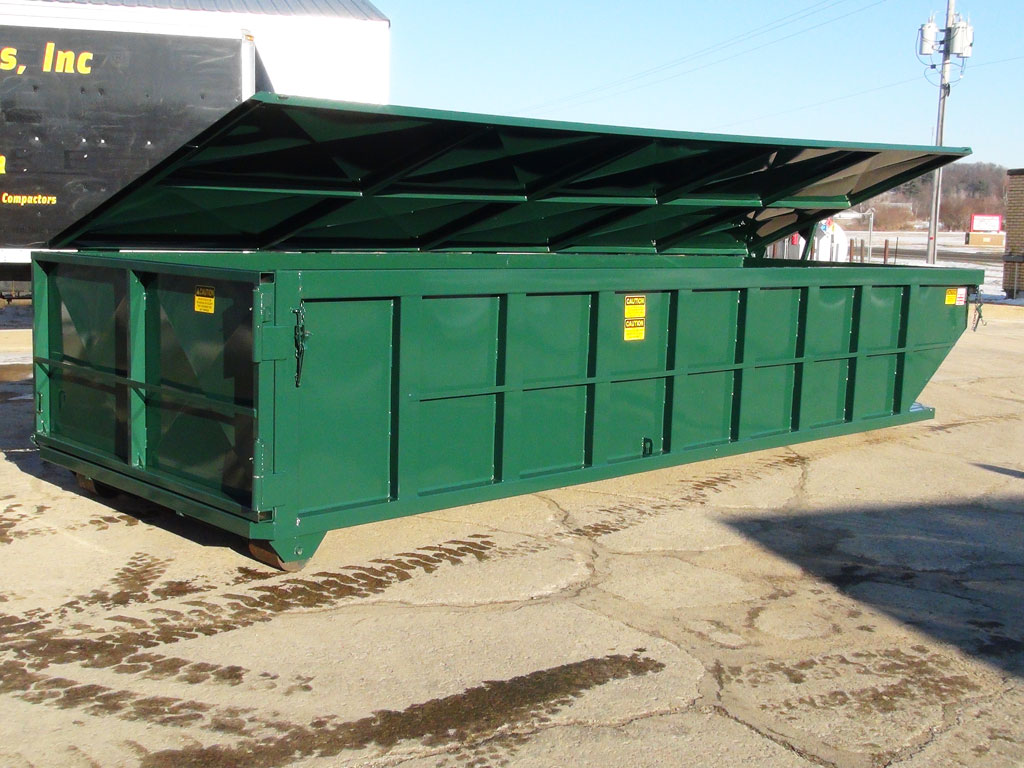
It's also essential to prepare for adequate space around the dumpster to assist in very easy loading and discharging of products. Take into consideration the dimension of the dumpster and the type of materials you'll be throwing away to determine the suitable positioning location.
Moreover, be mindful of any type of local regulations or property owner association regulations that may affect dumpster positioning. By taking the time to prepare for placement logistics, you can prevent potential concerns and ensure a successful dumpster rental experience.