To warranty an effective dumpster rental experience, adhere to these 7 easy steps: determine your job's waste needs by determining the type and volume of waste produced, then select the right dumpster size to prevent overloading and safety dangers. Set a clear rental period, prepare the website for delivery, and lots the dumpster efficiently to make best use of space. Acquaint yourself with debris disposal rules and set up a pick-up and elimination that fits your project timeline. By taking these steps, you'll be well on your way to a hassle-free waste management experience that meets your task needs successfully and cost-effectively, and understanding these actions is just the start of a successful project.
Determine Task Waste Needs
Project waste management is a crucial component of an effective dumpster rental experience It's important to determine the kind and amount of waste your task will produce to ensure you have the right equipment to handle it efficiently.
Start by recognizing the type of project you're carrying out, whether it's a home restoration, construction, or unique event. This will aid you anticipate the volume and structure of waste
Consider the products you'll be working with, such as drywall, lumber, or concrete, and approximate the weight and bulk of the waste. Additionally, think of any specialty items that may call for special delivery, like electronics or dangerous materials.
Choose Right Dumpster Size
With a clear understanding of your project's waste needs, the next step is to select the ideal dumpster size to effectively manage the volume and kind of waste generated.
Dumpster sizes vary significantly, ranging from 10 to https://piedmont-triad-dumpstersdogu.weebly.com/blog/3-pro-tips-for-a-smooth-dumpster-rental-experience 40 backyards, and selecting the correct size is vital to guarantee the smooth execution of your project. A dumpster that is also tiny will lead to regular emptying, resulting in increased prices and disruptions. Conversely, a dumpster that is as well big will occupy more space than needed and may not fit in your job area.
To determine the optimal dumpster size, take into consideration the type and quantity of waste you anticipate to create. For instance, a 10-yard dumpster appropriates for small-scale renovations or backyard cleanings, while a 30-yard dumpster is much better fit for large construction projects or estate cleanouts.
Additionally, take into consideration the weight capacity of the dumpster, as overloading can result in security risks and added charges. By selecting the best dumpster dimension, you can assure a hassle-free waste management experience and concentrate on finishing your task efficiently.
Set Clear Rental Duration
A distinct timeline is necessary to an effective dumpster rental experience. Recognizing exactly how much time you'll need the dumpster warranties you're not stayed with it for longer than required, and stays clear of unneeded expansion fees. When establishing your rental duration, think about the scope of your task, the quantity of waste you'll generate, and your group's job pace.
To assistance you identify the perfect rental duration, maintain the following factors in mind:
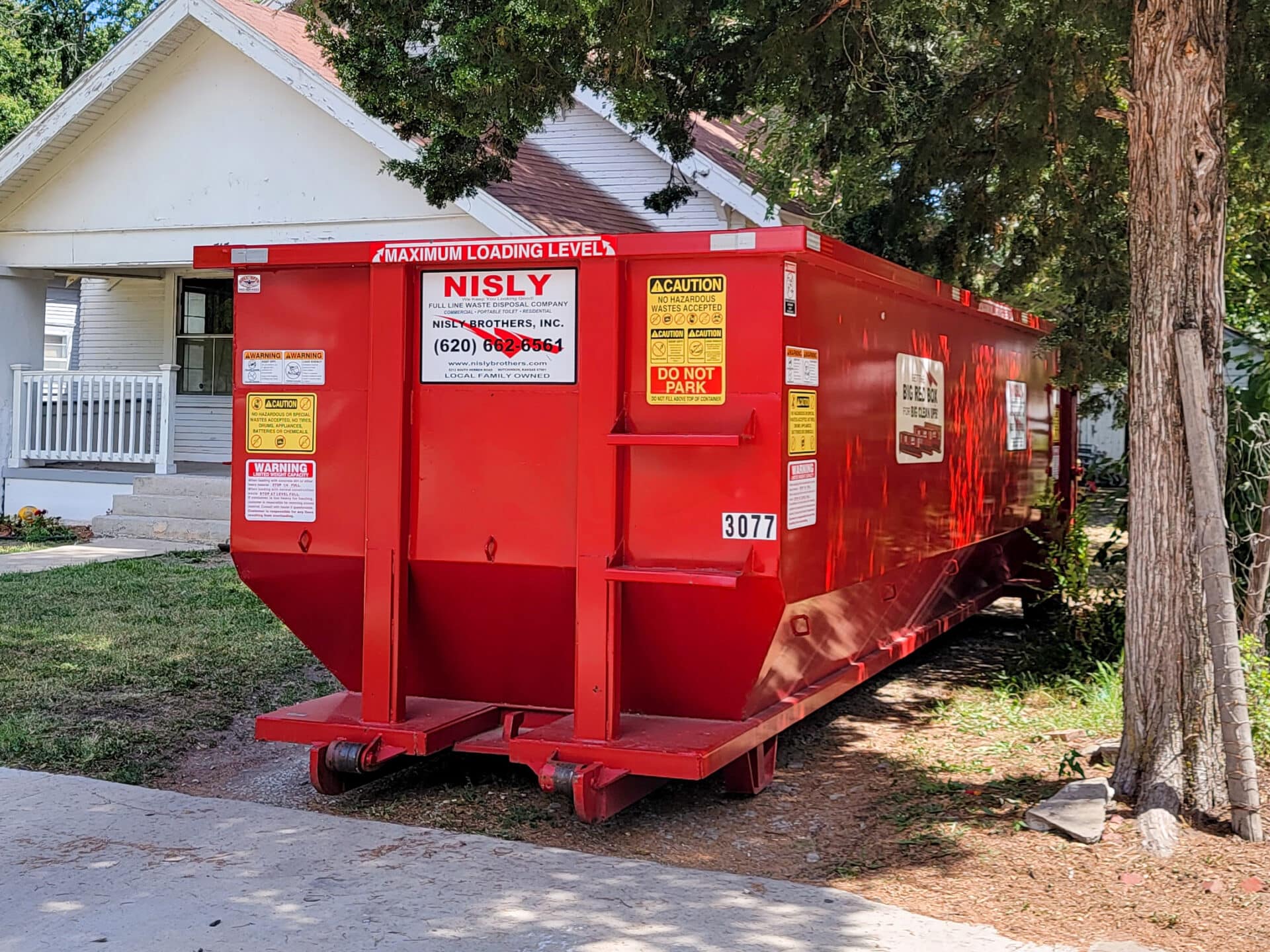
Project timeline: The length of time will your job require to complete? Make certain to consider any prospective hold-ups or setbacks.
Waste generation rate: Exactly how promptly will you fill the dumpster? If you're creating waste swiftly, you might require a much shorter rental period to avoid overflow.
Delivery and pickup schedules: When can the dumpster be provided and gotten? Assurance you have a clear understanding of the rental company's organizing policies.
Budget constraints: What is your allocate the rental period? Be mindful of expansion costs and plan appropriately to avoid unforeseen costs.
Prepare Site for Delivery
Clearing the means for a smooth dumpster delivery is just as essential as establishing a realistic rental duration. To prevent any last-minute hassles, ensure the delivery site is without challenges, such as parked automobiles, construction tools, or overhanging branches. A clear path enables the dumpster to be put safely and efficiently, reducing the threat of damage to your home or close-by structures.
Additionally, take into consideration the dumpster's size and position it accordingly. Typically, a 20-yard dumpster needs concerning 60 feet of clearance area. Procedure the area to make sure the dumpster fits easily, leaving adequate area for easy gain access to and loading
Remove any type of loosened particles, such as rocks or twigs, to stop damages to the dumpster or bordering surfaces.
Load Dumpster Efficiently
Behind every successful dumpster service lies a successfully loaded dumpster, which not only saves you time and money yet also assures an easy experience.
A well-loaded dumpster guarantees that you take full advantage of the readily available space, decreasing the need for additional rentals and lessening garbage disposal costs.
To achieve suitable loading, comply with these straightforward standards:
Start with a clear plan: Organize your waste into groups, such as building debris, household things, and recyclables, to assure efficient loading.
Load heavy items first: Place hefty materials like concrete, blocks, or devices at the bottom of the dumpster to offer a stable base.
Fill in spaces and corners: Usage smaller products like boxes, bags, or loosened materials to fill out gaps and edges, making the most of the offered space.
Keep it degree and balanced: Disperse the weight equally throughout the dumpster to avoid moving during transportation and warranty risk-free disposal.
Follow Debris Disposal Rules
Proper debris disposal is crucial to a successful dumpster rental experience Falling short to comply with policies can lead to additional fees, environmental threats, and also legal consequences.
To warranty a smooth procedure, it is very important to comprehend what can and can not be put in the dumpster. Beginning by talking to your rental carrier for details guidelines, as policies might differ depending on local guidelines and the type of waste being disposed of.
Generally, hazardous materials like batteries, electronics, and chemicals are restricted. Similarly, big appliances, tires, and building products might need special handling
Keep in mind that some items, such as bed mattress and fridges, might sustain additional fees due to special disposal requirements
Schedule Pickup and Removal
Once you have actually ensured responsible particles disposal by complying with the guidelines, it's time to focus on the logistics of pickup and removal. This essential step warranties that your dumpster rental experience is smooth and problem-free.
To guarantee a smooth pickup and elimination process, follow these steps:
Schedule pick-up in advance: Coordinate with the rental company to schedule a pickup time that matches your requirements, enabling you to plan accordingly.
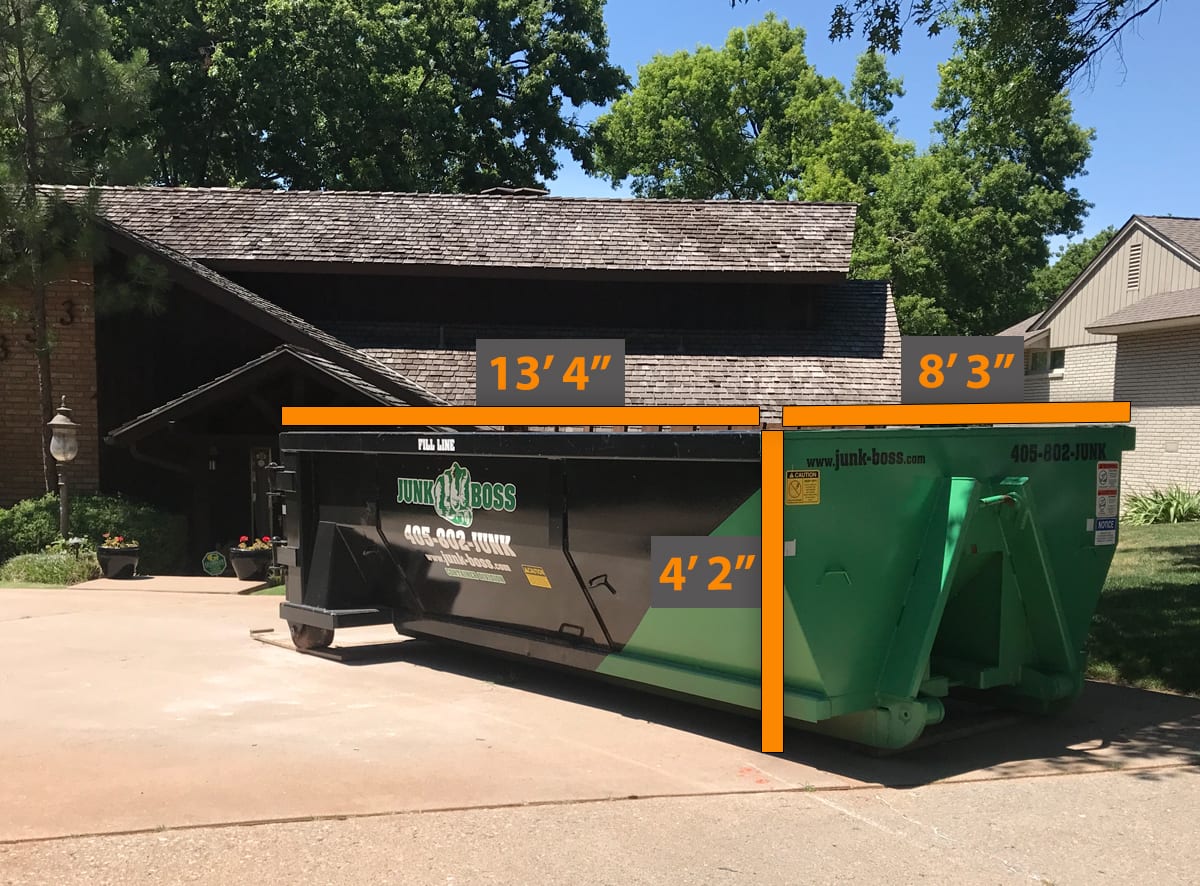
Confirm the pick-up details: Validate the pick-up date, time, and location to avoid any type of misconceptions or delays.
Guarantee the dumpster is accessible: Clear the location around the dumpster to assure easy access for the pickup truck, staying clear of any type of barriers or hazards.
Be present during pickup: Have a representative offered to look after the pick-up process and attend to any type of problems or issues that might arise.