Renting a dumpster can be an important action in any kind of project, from small home restorations to large-scale construction endeavors. To ensure a problem-free experience, comply with these 5 essential steps: identify your dumpster needs by assessing waste type and quantity, select the right dumpster size based on job extent and readily available area, understand the varying rental costs and fees, check local policies and permits required for dumpster positioning, and timetable delivery with important information and optimal timing. By adhering to these actions, you'll be fully equipped to browse the dumpster rental procedure with self-confidence and locate the excellent solution for your certain requirements and spending plan, and there's more to check out to make your experience also smoother.
Determine Your Dumpster Needs
Typically, homeowners and contractors rent dumpsters for a specific period, typically ranging from a few days to a number of weeks. During this moment, they require to throw away a substantial quantity of waste, whether it's from a home remodelling, building project, or clearing out a property.
To warranty a smooth rental experience, it's essential to identify your dumpster requires prior to calling a rental service.
Start by assessing the type and amount of waste you need to get rid of. Will you be throwing away heavy products like concrete or asphalt, or lighter materials like household garbage or lawn waste? Understanding the weight and volume of your waste will help you pick the right dumpster size and type.
Additionally, think about the space constraints at your site. Do you have space for a big dumpster, or will a smaller sized one fit better? Are there any challenges, such as slim alleys or dilemmas, that might influence dumpster placement?
Choose the Right Dumpster Size
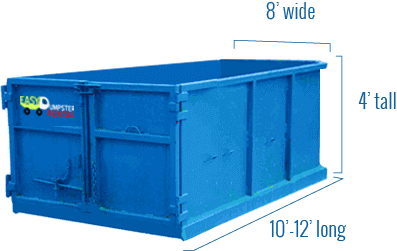
As you've identified your dumpster needs, the following essential step is to pick the right dumpster dimension for your project. This considerable choice will certainly assure you have enough space to take care of waste efficiently without spending too much on a larger dumpster than needed.
To help you make a notified choice, consider the list below elements:
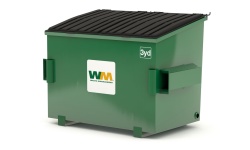
Project kind and scope: Various tasks need various dumpster dimensions. For example, a little home remodelling may require a 10-15 yard dumpster, while a huge building and construction job might need a 30-40 backyard dumpster.
Waste quantity and weight: Quote the amount of waste you anticipate to generate and its weight. This will assist you pick a dumpster that can fit your demands without exceeding weight limits.

Space constraints: Take into consideration the room available for the dumpster at your job website. Identify the dumpster dimension you select fits easily in the assigned space, permitting very easy loading and unloading.
Understand Dumpster Rental Costs
With your dumpster size selected, you can currently focus on recognizing the expenses connected with renting out a dumpster for your project.
Dumpster leasing expenses vary depending on several elements, consisting of the size of the dumpster, rental duration, and area. Generally, dumpster rental firms charge a base fee, which includes a particular variety of https://telegra.ph/What-to-Know-Before-Renting-a-Dumpster-10-26 days of rental, plus added charges for additional days, excess fees, and disposal fees.
Be certain to inquire about any kind of added expenses, such as delivery and pickup fees, when asking about prices.
It's important to comprehend that the total cost of renting a dumpster will certainly depend upon your specific needs and the solutions required.
For example, if you're restoring a big industrial building, you might require a larger dumpster and prolonged rental duration, which will boost the overall cost.
On the various other hand, a little household project may call for a smaller dumpster and shorter rental period, causing lower costs.
Check Regional Regulations and Permits
Before renting a dumpster, it is essential to inspect local guidelines and permits needed for dumpster positioning and usage in your area.
Failure to follow these guidelines can cause fines, penalties, or even revocation of your rental agreement.
To warranty a smooth dumpster rental experience, consider the following:
Residential zoning laws: Contact your city government to determine if there are any type of limitations on dumpster positioning in property areas.Some neighborhoods might have details policies or prohibitions on dumpster usage.
Permit requirements: Find out if you need an authorization to put a dumpster on your residential property or on the street.
Your dumpster rental company may be able to offer support or acquire the necessary authorizations on your behalf.
Noise and website traffic regulations: Recognize any type of sound or traffic limitations in your location that might influence dumpster shipment, placement, or removal.
Understanding these policies will certainly help you plan your project appropriately and prevent any type of prospective issues.
Schedule Your Dumpster Delivery
Now that you've inspected local regulations and permits, you prepare to progress with scheduling your dumpster delivery This step is vital in assuring a smooth and problem-free experience.
Be prepared to offer essential details such as the kind and size of dumpster you need, the duration of the rental period, and the specific delivery location.
When organizing your shipment, take into consideration the timing and logistics of your project. If you're planning a significant improvement or building project, you might need the dumpster delivered at the beginning of the task. For smaller sized tasks, you might intend to set up the distribution for a certain day or time.
Be sure to ask about any kind of additional fees connected with distribution, such as gas surcharges or tolls.
It's also crucial to verify the dumpster rental firm's delivery policies, including their operating hours, shipment home windows, and any possible delays. By doing so, you can intend appropriately and guarantee a successful dumpster rental experience.