To warranty a seamless dumpster rental experience, it's important to assess key factors such as accurate dumpster size selection, ideal rental periods, and compliance with local regulations Reliable planning and control with the rental company can protect against expensive blunders and project hold-ups. Additionally, recognizing approaches for efficient loading and unloading, unsafe materials management, and making the most of rental experience can also make a substantial distinction. By taking these insider tips right into account, you'll be well-equipped to browse the dumpster rental procedure with confidence and effectiveness, and uncover much more methods to simplify your task and save important time and resources.
Know Your Dumpster Dimension Options
A 10- or 20-yard dumpster is excellent for small to medium-sized projects, such as washroom remodels or backyard cleanups.
For larger projects, like building and construction or commercial restorations, a 30- or 40-yard dumpster is more suitable.
Consider the kind and quantity of waste you'll be generating, as well as any type of neighborhood regulations or restrictions on dumpster size and placement.
Choose the Right Rental Period
Most building and construction or remodelling tasks unfold over a particular duration, and it's vital to synchronize your dumpster rental period with this timeline. This ensures you have the dumpster on-site when you need it, and prevents unneeded rental expansions or very early pickups.
To choose the best rental period, begin by approximating the duration of your task. Consider elements like the scope of work, the number of workers involved, and the quantity of waste generated.
Be practical concerning the job's rate and potential hold-ups. A basic rule of thumb is to include a couple of additional days to your estimated task duration to make up unexpected setbacks
When picking your rental duration, you'll typically have alternatives ranging from a couple of days to a number of weeks and even months.
Be mindful of the rental company's policies pertaining to expansions or very early terminations, as these may sustain additional fees By aligning your dumpster rental duration with your project timeline, you'll reduce unneeded prices and assure a smooth, convenient experience
Understanding Neighborhood Regulations
With a well-planned rental period in place, it's equally crucial to consider the regulatory landscape governing dumpster rentals in your area. Failing to abide by local regulations can cause penalties, penalties, or perhaps job delays. To prevent these problems, study the specific regulations and laws in your municipality, region, or state.
Some crucial facets to explore consist of permit requirements, noise ordinances, and limitations on dumpster placement For example, some areas may need an authorization to position a dumpster on the street or pathway, while others might have certain guidelines for dumpster size, product, or weight capacity.

Additionally, noise statutes might limit the hours throughout which dumpsters can be supplied or gotten. Recognizing these guidelines will assist you prepare your task successfully and stay clear of prospective setbacks.
Get the Best Dumpster Prices
Your job's budget takes spotlight when it comes to safeguarding the most effective dumpster prices
It's important to comprehend that prices can vary noticeably relying on the place, kind of waste, and rental duration. To obtain the best deal, start by researching regional dumpster rental business and comparing their prices.
Be certain to inquire about any type of additional fees, such as delivery, pick-up, and disposal costs. Some business may supply price cuts for long-term rentals or bulk orders, so it's worth inquiring about these as well.
Additionally, take into consideration the size of the dumpster you need-- a smaller sized dumpster might be more cost-effective for smaller projects.
Be mindful of excess, as these can promptly accumulate and blow your spending plan. By doing your due persistance and shopping around, you can locate a dumpster rental that fits your job's needs and budget.
What to Ask Your Provider
The dumpster rental contract is a necessary paper that lays out the terms and conditions of the rental contract, so it is necessary to carefully review the fine print before signing on the populated line.
To guarantee a smooth rental experience, ask your provider regarding their delivery and pick-up procedures, including the details days and times for both. Clarify their policy on weight limits, excess costs, and any type of service charges for things like mattresses or electronics.
It's additionally important to ask about their particles disposal approaches and whether they reuse or donate any type of materials.
Additionally, inquire about the carrier's liability insurance and what is covered in instance of residential or commercial https://grain-boil.uncrn.co/blog/transforming-your-outdoor-room-do-not-forget-the-rented-dumpster/ property damage or accidents. Figure out if they have any local licenses or licenses required for dumpster positioning, and that is in charge of acquiring them.
Preparing Your Property
It's additionally important to designate a specific area for the dumpster placement, thinking about the closeness to your job site and the accessibility for the shipment truck
If you reside in a suburb, consider notifying your neighbors concerning the impending shipment to stay clear of any possible disruptions.
By taking these safety measures, you can ensure a smooth delivery procedure and stay clear of any type of extra charges or complications.
Remember to examine your rental agreement to verify any details requirements or restrictions detailed by your provider.
Filling the Dumpster Efficiently
Proper dumpster placement is only half the battle; the next step is to load the dumpster efficiently to optimize its ability and minimize costs.
A well-filled dumpster not only conserves you cash yet additionally minimizes the environmental influence of waste disposal. To accomplish this, it's necessary to have a clear understanding of how to fill up the dumpster correctly.
Here are some expert tips to aid you load your dumpster like a pro:
- Start with large items: Put the biggest and heaviest products, such as furnishings and appliances, at the bottom of the dumpster to create a steady base. Layer items thoughtfully: Alternative in between heavy and light things, and area smaller products in spaces to decrease empty space. Break down big items: Disassemble things like tables and racks to fit extra into the dumpster. Fill to the top: Take advantage of the dumpster's ability by loading it to the top, yet prevent overloading. Keep it organized: Keep the dumpster arranged by dividing different types of waste, making it simpler to dispose of them properly.
Handling Hazardous Materials
When handling construction or improvement jobs, hazardous materials are commonly inescapable, and their improper disposal can have severe environmental and health consequences.
As a liable task supervisor, it's essential to determine and handle dangerous products properly to avoid contamination and assure a safe working environment Common harmful products found on construction websites consist of asbestos, lead-based paint, and solvents.
To take care of unsafe materials securely, different them from non-hazardous waste and deal with them via authorized facilities Confirm that your dumpster rental business accepts unsafe materials and offers the needed devices and training for appropriate handling.
Additionally, constantly follow local regulations and guidelines for contaminated materials disposal, and consider hiring a professional for removal and disposal if you're not sure regarding the process.
Dealing With Permit Issues
Before starting a construction or improvement project, securing the required permits is a critical action that can not be forgotten, as failing to do so can lead to costly fines, task hold-ups, and also lawful action.
Obtaining the called for permits assurances that your project abides by local regulations, and it is very important to involve your dumpster rental provider in this process.
When managing permit issues, consider the following:
- Research local guidelines and allow requirements Determine who is in charge of acquiring the authorizations (you or your dumpster rental provider) Confirm that your dumpster rental company has the essential permits and licenses Allow adequate time for authorization processing and approval Keep records of all permits and licenses for future reference
Maximizing Your Rental Experience
Optimizing your dumpster rental experience depends upon efficient preparation and coordination By doing so, you can guarantee a seamless procedure that meets your certain needs.
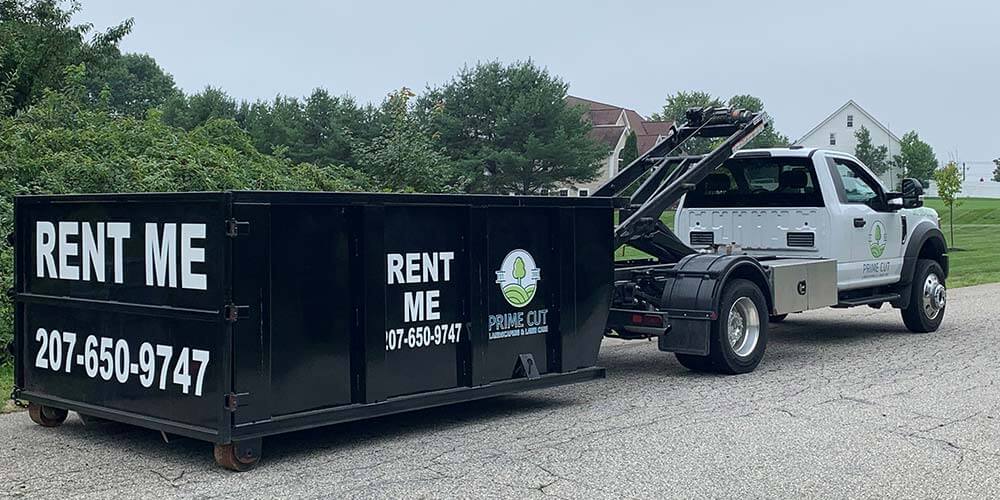
Start by determining the type and size of dumpster required for your project. This will certainly aid you stay clear of unnecessary expenses and guarantee you have sufficient space for waste disposal.
Next, establish a clear timeline for delivery, use, and pickup to avoid hold-ups and extra fees.
Communicate effectively with your rental service provider to talk about any specific demands, such as special permits or tools needs.
Additionally, mark a particular location for the dumpster to be positioned, ensuring simple gain access to and decreasing disruptions to your workflow.
Finally, develop a prepare for filling and unloading waste to maximize performance and reduce the threat of accidents.