Renting a dumpster can be an intimidating task, yet by following these top 10 pointers and tricks, you can assure a smooth and efficient procedure. Start by choosing the right dumpster size and type for your job, and properly compute your debris volume to stay clear of excess or troublesome mid-project swaps. Recognize weight limits, understand pickup and delivery charges, and prepare the drop-off place to minimize threats. Load the dumpster effectively, prevent prohibited waste items, and testimonial contracts meticulously to understand included services and renter obligations. By following these crucial ideas, you'll be well on your means to a hassle-free dumpster rental experience - and there's a lot more to discover.
Know Your Dumpster Size Options
When taking on a job that involves significant waste disposal, picking the right dumpster size is important to ensuring efficient and cost-effective waste management.
A dumpster that is also tiny can result in boosted prices and hassle, while one that is too big can lead to thrown away space and sources. Luckily, dumpster rental companies supply a range of sizes to accommodate various task needs.
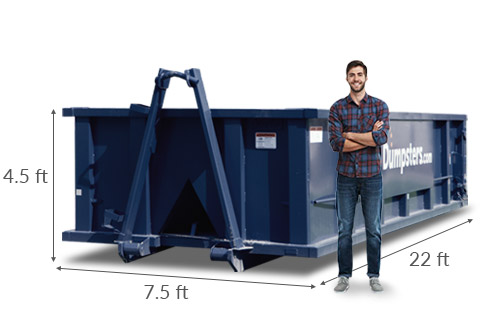
Typical dumpster dimensions range from 10 to 40 cubic lawns, with one of the most typical dimensions being 20 and 30 cubic yards. The 10-yard dumpster is excellent for small projects, such as washroom remodels or minor remodellings, while the 40-yard dumpster is https://pastelink.net/zza4esx9 better suited for large building projects or business cleanups.
Consider the type and amount of waste you anticipate to generate, along with the available space on your site, when picking a dumpster size. By choosing the best size dumpster, you can guarantee a smooth and effective waste administration process that fulfills your task's unique needs.
Plan Ahead for Delivery
Frequently, project timelines are derailed by logistical oversights, and dumpster delivery is no exception. To stay clear of unnecessary hold-ups, it's crucial to prepare in advance for your dumpster arrival. Confirm the delivery date and time with your rental carrier to ensure you're prepared to obtain the dumpster.
Clear the delivery location of any kind of blockages, such as parked automobiles or overhanging branches, to offer very easy accessibility for the delivery truck. If you're leasing a dumpster for a domestic project, notify your neighbors of the impending distribution to lessen any kind of prospective disruptions.
Additionally, assign a certain area for the dumpster, considering any local regulations or homeowners' association policies. Confirm the dumpster dimension and type with your rental provider to make sure it fits in the assigned area.
Calculate Your Particles Volume
Accurately estimating the volume of debris your project will certainly generate is essential to selecting the appropriate dumpster dimension and preventing costly excess or bothersome mid-project swaps.
To compute your particles quantity, take into consideration the following aspects:
Weight and density: Different materials have varying weights and thickness, affecting the total quantity of particles. For instance, hefty materials like concrete or asphalt occupy much less room than lighter materials like drywall or roof shingles.
Debris type and size: Break down debris into groups, such as building products, backyard waste, or house items. Price quote the volume of each classification based upon the dimension and amount of items.
Container constraints: Consider the dumpster's measurements, including size, size, and elevation. Warranty you have enough area for the approximated debris quantity, leaving some room for easy loading and unloading.
Project range and timeline: Change your estimate based upon the project's scope and timeline. Bigger tasks or those with several phases might require even more debris elimination capacity.
Choose the Right Dumpster Type
Selecting the best dumpster type is an essential action in assuring a seamless waste administration process, as it straight influences the efficiency and cost-effectiveness of your project. With numerous dumpster kinds offered, it's vital to choose the one that best fits your specific needs.
Roll-off dumpsters, for example, are excellent for large-scale projects, such as building and construction or demolition, where a substantial quantity of waste requires to be disposed of. These dumpsters can be found in numerous sizes, ranging from 10 to 40 yards, and are outfitted with wheels, making them very easy to navigate around the site.
On the other hand, compactors are excellent for smaller projects, like property restorations or local business waste management. They are made to compress waste, decreasing the variety of trips required for disposal.
Additionally, some dumpster rental companies supply specialized dumpsters for particular products, such as concrete, asphalt, or yard waste. By choosing the best dumpster type, you can ensure a more efficient and cost-effective waste management process.
Be Familiar with Weight Limits
When picking the appropriate dumpster kind, it's just as important to be conscious of the weight limitations connected with each dumpster dimension. Overloading a dumpster can cause additional fees, safety hazards, and even damages to the dumpster itself. To avoid these concerns, it's important to recognize the weight restrictions of your selected dumpster.
Here are some essential considerations to bear in mind:
Know the weight limit: Validate the weight limitation of your dumpster leasing with your service provider to ensure you stay within the permitted range.
Estimate particles weight: Properly approximate the weight of the debris you intend to throw away to select the ideal dumpster size.
Avoid overloading: Don't overload the dumpster, as this can cause added charges, safety and security risks, and damage to the dumpster.
Ask about weight-based pricing: Some dumpster rental providers bill based on the weight of the debris, so make sure to ask about their pricing structure.
Understand Pick-up and Shipment Fees
Additional prices can lurk in the fine print of your dumpster rental agreement, and one frequently neglected facet is the fees associated with pickup and delivery
These costs can build up quickly, so it's essential to understand what you're paying for. Normally, dumpster rental business charge separate fees for delivery, pickup, and in some cases even sustain additional charges. Be sure to ask about these fees upfront to avoid surprise charges on your final bill.
Some companies may use a flat rate for distribution and pickup, while others might bill by the mile or by the ton. Knowing the specifics of your arrangement will certainly aid you plan your budget accordingly.
It's likewise essential to clarify what is included in the shipment and pick-up fees, such as whether the chauffeur will certainly help with positioning or removal of the dumpster. By recognizing these costs, you can avoid unexpected costs and assure a smooth rental experience.
Prepare the Drop-Off Location
To guarantee a smooth dumpster rental experience, it's vital to prepare the drop-off location prior to the dumpster shows up. A well-prepared site assures the dumpster can be positioned securely and effectively, minimizing the threat of damage or delays.
Before the dumpster shows up, make sure to:
Clear the area: Eliminate any barriers, consisting of autos, furniture, or debris, to provide a clear path for the dumpster.
Mark the location: Clearly mark the drop-off place with cones or tape to lead the shipment driver.
Check for overhanging clearance: Validate there are no low-hanging branches, cords, or various other blockages that could hinder the dumpster's placement.
Designate a get in touch with person: Determine a person to be present throughout shipment and pick-up to resolve any kind of concerns or concerns.
Load the Dumpster Efficiently
Properly filling the dumpster is essential to maximize its capacity, lower the danger of damage, and ensure a smooth rental experience. To achieve this, it's crucial to plan in advance and arrange your waste disposal strategy.

Start by placing the heaviest items, such as construction materials or home appliances, at the bottom of the dumpster. This will certainly provide a stable base and stop lighter items from getting crushed.
Next, fill in the gaps with smaller products like boxes, furnishings, and loosened particles. Make sure to distribute the weight evenly and avoid overwhelming one side of the dumpster.
Leave some area at the top for simple loading and dumping, and think about making use of tarpaulins or ropes to secure loose items during transportation.
Avoid Prohibited Waste Items
Some typical banned things consist of:
Hazardous materials: batteries, electronics, chemicals, and fluorescent light bulbs
Toxic substances: asbestos, chemicals, and radioactive materials
Flammable liquids: gasoline, oil, and paint thinner
Large appliances: fridges, air conditioning system, and freezers
Failure to adhere to these regulations can lead to severe repercussions, including ecological damage and legal issues.
Always check with your dumpster rental service provider for certain guidelines on banned waste products to assure a smooth and successful garbage disposal experience.
Review and Understand Contracts
It's additionally essential to evaluate the scope of work, including what services are consisted of and what responsibilities drop on you as the renter.
Understand the procedure for resolving disputes and the treatment for ending the agreement if needed.
Don't hesitate to ask questions or request explanation on any kind of unclear provisions.
By taking the time to review and recognize the contract, you can ensure a smooth and hassle-free dumpster rental experience.