To make the most of your dumpster rental, it's necessary to select the right size dumpster, prepare the shipment site, and lots the dumpster successfully. Evaluate your project scope and anticipated waste quantity to pick the correct dumpster size, and ensure a level, degree surface area for placement. Plan your loading strategy to take full advantage of capacity, damage down big items, and disperse weight equally. By complying with these actions and understanding rental terms, weight restrictions, and approved products, you can reduce labor costs and time, stay clear of excess and extra charges, and take care of hazardous materials appropriately. By enhancing your dumpster rental experience, you'll be well on your way to a successful project.
Choosing the Right Dumpster Size
To determine the ideal dumpster size, think about the range of your task and the amount of waste it will certainly generate.
Measure the location where the dumpster will be placed to guarantee a comfortable fit. For small projects, such as a shower room restoration, a 10-15 backyard dumpster might be sufficient.
Larger jobs, like a major home restoration, might call for a 30-40 backyard dumpster.
Be sure to consult with a dumpster rental expert to figure out the excellent size for your particular needs.
Preparing the Distribution Site
Before the dumpster shows up, it's necessary to prepare the delivery site to guarantee a seamless and convenient experience. Clearing the area of any obstacles or debris is essential, making certain the dumpster can be securely put and easily accessed.
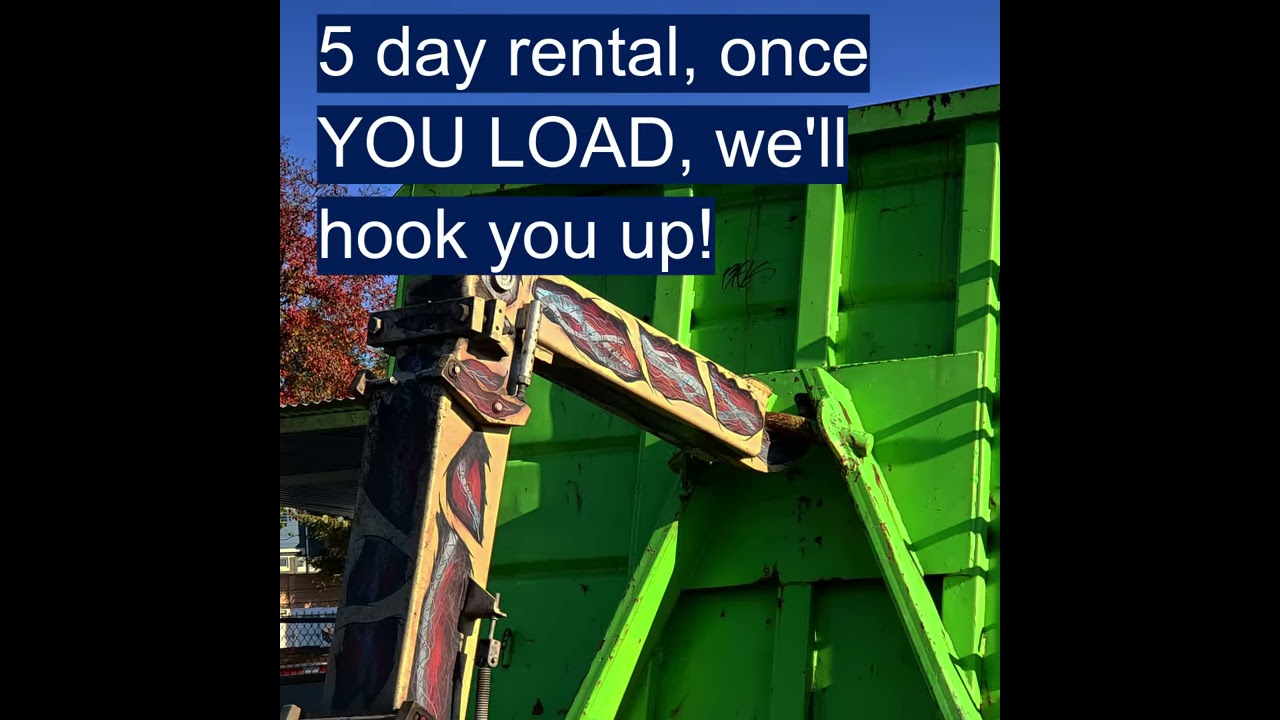
Check for overhead obstructions like low-hanging branches or power lines that may disrupt the distribution process.
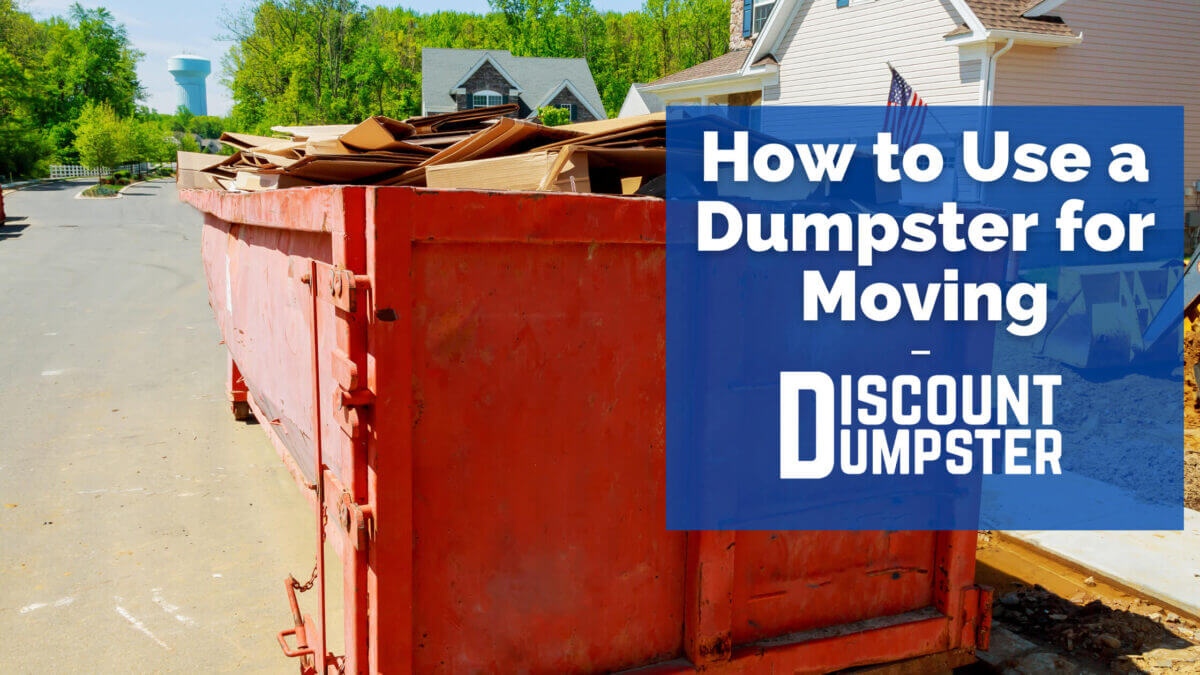
Designate a specific location for the dumpster, preferably on a flat, degree surface Make certain the ground can support the weight of the dumpster and its contents.
If you're placing the dumpster on a driveway or street, get the necessary permits and comply with regional guidelines. Get rid of any type of cars and trucks, bicycles, or other items that may be in the method, enabling a clear path for the shipment truck.
Efficient Loading Techniques
Efficient loading of the dumpster is important to maximizing its capacity and reducing the threat of overwhelming or damaging the container. To accomplish this, it is necessary to plan and organize your loading technique beforehand.
Start by damaging down big things right into smaller, a lot more workable pieces, and set them apart to be filled first. This will certainly aid develop a secure base and protect against damage to the dumpster or surrounding property.
Next, lots heavy items, such as construction products or appliances, towards the bottom of the dumpster, adhered to by lighter items like cardboard or paper products. This will avoid larger things from crushing lighter ones and assure a balanced load
Additionally, try to distribute the weight of the lots uniformly throughout the dumpster to avoid changing throughout transport.
Maximizing Dumpster Capacity
Optimize your dumpster rental experience by packing the container to its maximum capacity This not only guarantees you get one of the most value out of your leasing but also lowers the likelihood of requiring several containers.
To accomplish this, it's vital to understand the dumpster's measurements and weight capacity Step the products you need to throw away and strategy accordingly.
Start by putting the largest, heaviest items near the bottom, followed by smaller, lighter things. This will help you take advantage of the offered space. Consider damaging down bulky things, such as furnishings, to fit them into the container a lot more efficiently.
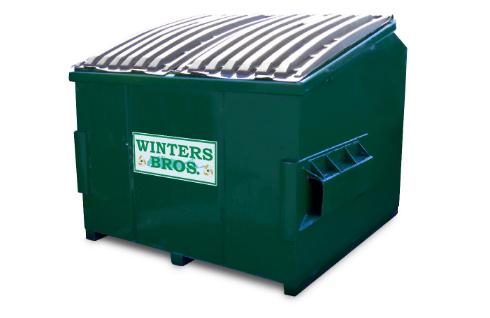
Additionally, fill any gaps or voids with smaller sized things like boxes or bags. By packing your dumpster strategically, you'll have the ability to fit even more waste into a single container, inevitably saving you time and money.
Reducing Labor Costs and Time
When dealing with a large-scale clean-up or improvement task, https://piedmonttriaddumpsters.com/blog/ among one of the most substantial expenditures can be labor costs The time and initiative called for to type, load, and get rid of waste can swiftly add up, eating right into your budget and expanding job timelines.
To decrease labor prices and make best use of effectiveness, it's necessary to have a well-planned waste monitoring strategy in place.
One effective technique is to mark a specific location for waste collection, keeping it easily accessible and arranged. This will reduce the time invested searching for and carrying waste, permitting your team to focus on more crucial tasks.
Additionally, take into consideration executing a "clean as you go" policy, where waste is gotten rid of routinely throughout the task. This will certainly protect against waste from accumulating and minimize the risk of accidents or injuries
Avoiding Excess and Extra Fees
By streamlining waste collection and minimizing labor costs, you can reroute resources to other essential facets of your project.
However, it's similarly important to avoid overage and additional fees related to your dumpster leasing. Recognizing the rental terms and conditions can assist you steer clear of unanticipated expenses. Recognize the weight and dimension limits of your dumpster, as going beyond these can cause additional fees.
To avoid overage, estimate the waste volume precisely before ordering the dumpster. Consider the type and quantity of products you'll be taking care of, and pick a dumpster dimension that can fit them conveniently. You can also seek advice from the rental firm's professionals to identify the best size for your project.
Additionally, make certain that you only dispose of approved materials in the dumpster, as forbidden items can cause added costs or even dumpster denial. By bearing in mind these aspects, you can take pleasure in a stress-free and cost-efficient dumpster rental experience.
Managing Hazardous Materials Properly
Properly disposing of hazardous materials is essential to preserving a safe and compliant dumpster rental experience. Dangerous products, such as batteries, electronic devices, and chemicals, call for special handling and disposal to prevent environmental injury and potential health and wellness risks.
Improper disposal can bring about fines, penalties, and even legal action.
To take care of unsafe materials effectively, beginning by determining the sorts of unsafe products you need to get rid of. Contact local authorities or waste administration carriers for guidelines on appropriate materials and disposal procedures.
Some dumpster rental business offer specialized services for hazardous waste, so be sure to ask about these solutions when renting your dumpster.
Separate hazardous materials from normal waste and guarantee they are saved in designated containers Follow the suggested disposal procedures, and see to it to label and date the containers.
Scheduling Pickup and Delivery
Effective waste monitoring prolongs past proper disposal of hazardous materials to additionally encompass the logistics of scheduling pickup and delivery This vital step guarantees that your dumpster rental experience runs efficiently and efficiently.
When organizing pickup and shipment, it's vital to prepare in advance and allow adequate time for the rental period Think about the range of your project, the amount of waste generated, and the schedule of the dumpster rental company.
A well-coordinated timetable prevents unnecessary delays, decreases the danger of overfilled dumpsters, and decreases the probability of added fees.
Be prepared to provide the rental company with accurate details concerning your task, including the kind and quantity of waste, the wanted rental duration, and any specific needs or restrictions