To rent a dumpster, you'll need to take into account a number of vital variables to guarantee a smooth and effective waste administration experience. Start by recognizing local regulations, consisting of permit requirements and garbage disposal restrictions, then choose the right dumpster size based upon your task's requirements, taking into account factors like waste quantity and product type. Prepare the delivery location by getting rid of obstacles and guaranteeing a level, degree surface, and give essential info about your task, rental duration, and site-specific demands. Ultimately, carefully review and authorize a rental agreement that outlines terms, fees, and duties. By covering these bases, you'll be well-prepared for a successful dumpster rental experience, and checking out better will expose much more necessary details to maintain in mind.
Dumpster Rental Basics
The rental process normally entails selecting the wanted dumpster dimension, scheduling a delivery date, and defining the rental period.
Once the dumpster is supplied, clients can load it with waste, and the rental firm will certainly deal with the disposal process. This problem-free method enables individuals and services to concentrate on their core tasks while ensuring liable waste management
Dumpster rental solutions frequently consist of adaptable leasing durations, competitive pricing, and practical organizing options.
Understanding Neighborhood Regulations
With dumpster rental solutions streamlining waste removal, it's equally essential to contemplate the regulative framework controling waste disposal in your area. Recognizing regional laws guarantees a smooth and certified waste administration process.
Permit Requirements: Contact your local government to identify if you need an authorization to position a dumpster on your building. Some communities need permits for dumpsters surpassing a certain dimension or for dumpsters put on public streets.
Waste Disposal Restrictions: Familiarize yourself with regional guidelines regulating the types of waste that can be disposed of in a dumpster. Certain products like hazardous waste, electronics, or building and construction products may be prohibited or call for special handling.
Placement and Storage: Understand regional regulations relating to dumpster positioning, including distance to walkways, streets, and surrounding properties.
Confirm you adhere to storage demands, such as covering the dumpster at night or during non-operational hours.
Choosing the Right Dumpster Size
Frequently, homeowners and specialists alike ignore the relevance of choosing an appropriately sized dumpster, only to discover themselves facing unneeded logistical obstacles down the line.
A dumpster that is too little can cause costly overages and multiple journeys to the landfill, while one that is also huge can result in lost area and unneeded expense.
To stay clear of these problems, it's crucial to estimate the quantity of waste you expect to generate Take into consideration the size of your project, the kind of products being thrown away, and the weight of the debris.
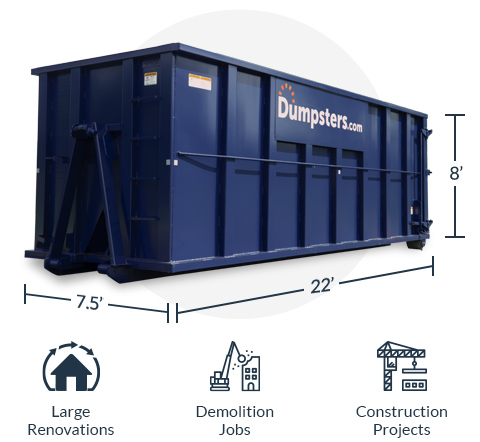
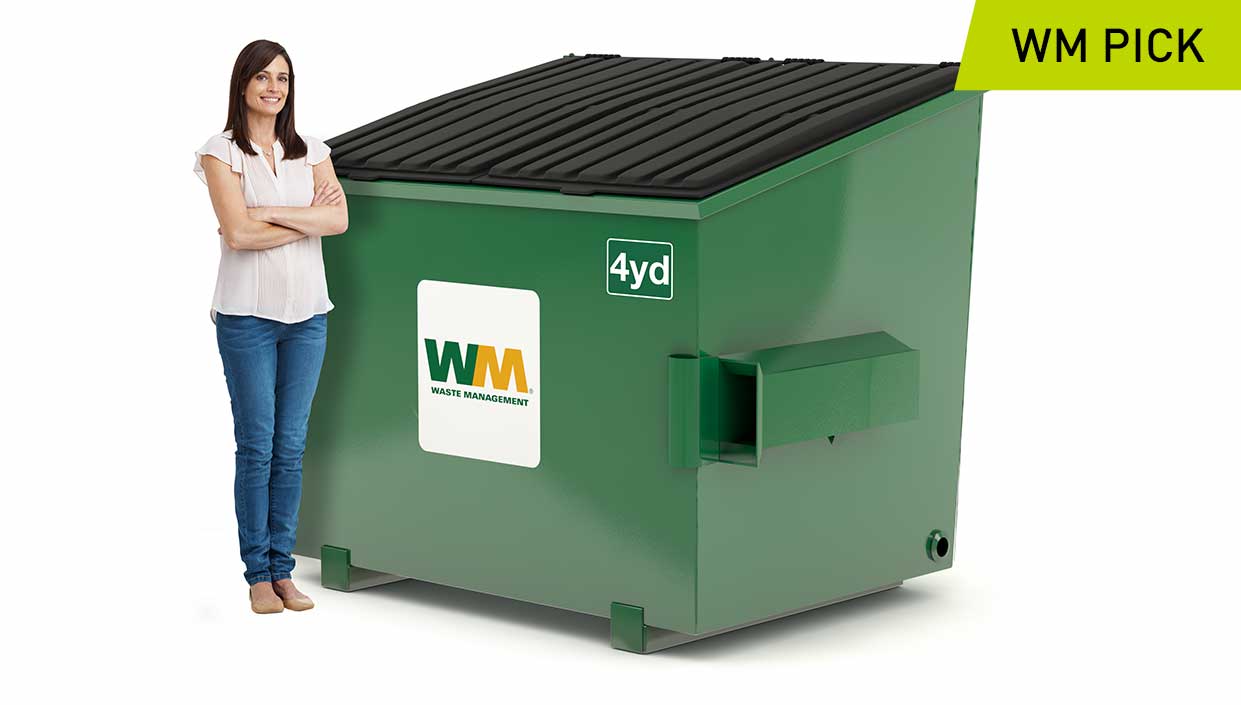
Most dumpster rental companies offer a range of sizes, generally varying from 10 to 40 cubic backyards. A 10-yard dumpster appropriates for small cleanouts and do it yourself tasks, while a 40-yard dumpster is much better fit for large building and construction projects or business renovations.
Be certain to talk to your rental company if you're unsure regarding the size you require, as they can offer advice based on your certain requirements.
Preparing the Distribution Location
Clear the way for a smooth dumpster distribution by preparing the drop-off location in advance.
A well-prepared site ensures the shipment procedure goes efficiently and efficiently, conserving you time and hassle.
Before the dumpster shows up, take a few mins to:
Clear the location of obstacles: Relocate any cars, tools, or debris that might be in the means of the shipment location.
Check for low-hanging cords or branches: Identify there are no overhead obstructions that can interfere with the dumpster's placement.
Designate a particular drop-off location: Identify a level, level surface where the dumpster can be safely placed.
Providing Necessary Information
Once the delivery location is prepared, attention transforms to supplying the required details to assure a successful dumpster rental experience
This includes sharing information concerning the job, such as the type and amount of waste to be dealt with, the duration of the rental period, and any type of specific requirements or limitations at the site.
Be prepared to give your contact information, including your name, phone number, and email address, so the rental company can remain in touch throughout the process.
You might likewise be inquired about the kind of materials you plan to throw away, as some things, like hazardous waste or hefty products, might call for special delivery or additional fees.
Accurately offering this details ascertains the rental firm can supply the appropriate size and sort of dumpster for your needs, which you recognize any kind of specific regulations or guidelines that relate to your project.
Signing a Rental Agreement
With the necessary information supplied, the rental firm will https://pastelink.net/tvtpfnf1 usually need a signed rental contract to solidify the terms of the dumpster rental.
This arrangement guarantees that both celebrations are clear on the rental duration, dumpster dimension, and any added solutions or fees.
Before signing, evaluate the agreement thoroughly to validate you understand the complying with bottom line:
Rental duration: The size of time you can maintain the dumpster on-site.
Fees and charges: Any type of extra prices beyond the first rental cost, such as overage costs or late fees.
Responsibilities: Who is responsible for problems or accidents including the dumpster.